Constanța for Digital Nomads
Over the past years I’ve lived and worked in Constanța and I guide you through practical realities: fast, affordable internet and growing coworking spaces, a beautiful Black Sea coastline that enhances work-life balance, and a lower cost of living that benefits your budget. Be aware of seasonal overcrowding and occasional pickpocketing in tourist areas, and I’ll show how to navigate neighborhoods for safety and reliable connectivity.
Why Choose Constanța as a Digital Nomad Destination
Cost of Living
I pay about €250-€450 for a one‑bedroom apartment in the city center and often find whole apartments for €350-€600 if I want more space; prices can rise 20-40% during July-August because of seasonal demand. Utilities and high‑speed fiber internet (100-500 Mbps) typically add €60-€90 monthly, and you can get a reliable mobile data plan for about €10-15/month.
You should budget roughly €150-€250 for groceries and €5-€8 for a standard local meal, while a three‑course dinner at a mid‑range restaurant runs €12-€20. Day passes at coworking spaces are commonly €6-€12 and monthly memberships range €60-€150; public transport monthly passes cost around €15-€20. Altogether, I live comfortably here on about €700-€1,200/month depending on rent and lifestyle choices.
Quality of Life
I value the immediate access to the Black Sea – swimming, sunrise walks on the promenade, and weekend trips to the Danube Delta (about 90-120 minutes by car) are routine. Cultural life is active: Constanța hosts summer festivals, an aquarium and Roman ruins in the old town, and you can reach Bucharest by car or train in roughly 2.5-3 hours; the sea and proximity to natural reserves are major lifestyle perks.
Workwise, cafés and coworking spaces in the historic center offer dependable Wi‑Fi and power outlets, and I often find pockets of quiet for deep work outside peak tourist months. Safety is generally fine, though I take basic precautions because petty theft and crowded areas spike in high season, and medical care is best handled at private clinics for non‑emergency needs (GP visits €25-€40).
Summer temperatures typically range 28-35°C and winters are mild (0-7°C), so you can plan outdoor activities most of the year; I notice productivity climbs during the quieter shoulder months when rentals are cheaper and beaches are less crowded.
Workspaces for Digital Nomads
Coworking Spaces
Around Tomis and the Old Town, coworking hubs cluster within easy walking distance of cafés and the marina; I use these when I need reliable infrastructure and a community vibe. Many spaces advertise fiber connections from 100-1,000 Mbps, 20-60 desks, meeting rooms, and event calendars with weekly meetups-ideal if you want to network with local founders or join a lunchtime workshop. Monthly hot-desk memberships typically range from €50-€120, while dedicated desks and small private offices run closer to €200-€400, depending on location and included perks like 24/7 access or printing credits.
I usually grab a day pass when I’m testing a new space; I’ve found day rates from €8-€15 that include Wi‑Fi and a meeting room slot. When choosing, I check proximity to public transport and the beach (commutes matter in summer), confirm air conditioning, and verify meeting-room booking policies-busy summer months can cause noise and desk shortages, so flexibility and advance booking make a big difference.
Cafés and Quiet Spots
If you prefer cafés, I pick spots in the Old Town and near the boardwalk where Wi‑Fi tends to be stable and there are usually 10-30 seats with accessible outlets; arriving between 9:00-11:00 often secures a good spot. You should expect variable noise during July-August when tourist footfall spikes, so I carry noise‑cancelling headphones and a power bank, and I always use a VPN on public Wi‑Fi to protect my accounts. Buying something every few hours is polite and keeps café owners happy if you plan to work for long stretches.
I also use university libraries and quiet hotel lobbies when I need undisturbed focus-Ovidius University and several municipal libraries provide reading rooms with reliable seating and fewer distractions. For steady backups, I sync important files to cloud storage and keep an offline copy on a portable SSD, which saves me when café Wi‑Fi drops or power outlets are scarce.
Connectivity and Infrastructure
On the ground I find Constanța’s backbone surprisingly capable for remote work: fiber is available in most residential neighborhoods and mobile coverage is reliable across the city center and the seafront. I often choose places where 1 Gbps fiber is offered by providers like Digi (RCS&RDS), while Orange and Vodafone give solid fixed-wireless and mobile alternatives that cover cafes, coworking spaces, and short-term rentals.
Service reliability is generally high outside the height of summer tourism, but you should plan around seasonal pressure on networks and roads. In practice I keep a small mobile hotspot as backup; it gives me flexibility when cafe Wi‑Fi lags during peak hours and when I need to upload large files from the beach area.
Internet Access
Providers I use most are Digi for home fiber and Orange or Vodafone for prepaid mobile data; eSIMs are widely supported, so you can get online within minutes after arriving. Typical home plans range from 100-1,000 Mbps, with entry-level fiber often priced in the low tens of euros per month, while prepaid mobile bundles start at a few euros for daily or weekly packages-handy if you want short-term data without a contract.
When I run speed tests in coworking spaces and central cafes I usually see consistent low-latency connections suitable for video calls and VPN work; expect fiber speeds in the hundreds of Mbps and 4G averages between tens and low hundreds of Mbps depending on location. If your work is latency-sensitive, I advise checking both wired and cellular signal in advance of longer stays.
Transportation Options
Driving to and from Bucharest is straightforward via the A2 motorway, and I typically cover the distance in about 2-2.5 hours depending on traffic; that makes weekend trips practical. Trains run frequently between Constanța and Bucharest, with InterRegio services taking roughly 2-3 hours-tickets are affordable and the central station puts you close to the Old Town and waterfront.
Local mobility is a mix of buses, taxis and ride‑hailing services; I use app-based rides for late-night trips and buses for short, cheap hops across the city. During the summer season expect heavy congestion and limited parking around Mamaia and the beaches, so I usually leave the car and rely on public transit or a short taxi ride.
Lifestyle and Culture
I feel the pulse of Constanța in the mix of maritime industry and laid‑back seaside living: the port is one of Romania’s largest, the Old Town buzzes around Piața Ovidiu, and festivals like Neversea attract roughly 100,000 attendees in peak years, which reshapes the city’s rhythm every July. I’ve noticed rents for a one‑bedroom in central neighborhoods typically run around €300-€450/month, so your monthly budget for housing and basic living can be much lower than in Bucharest while still keeping easy access to cafés and coworking spots.
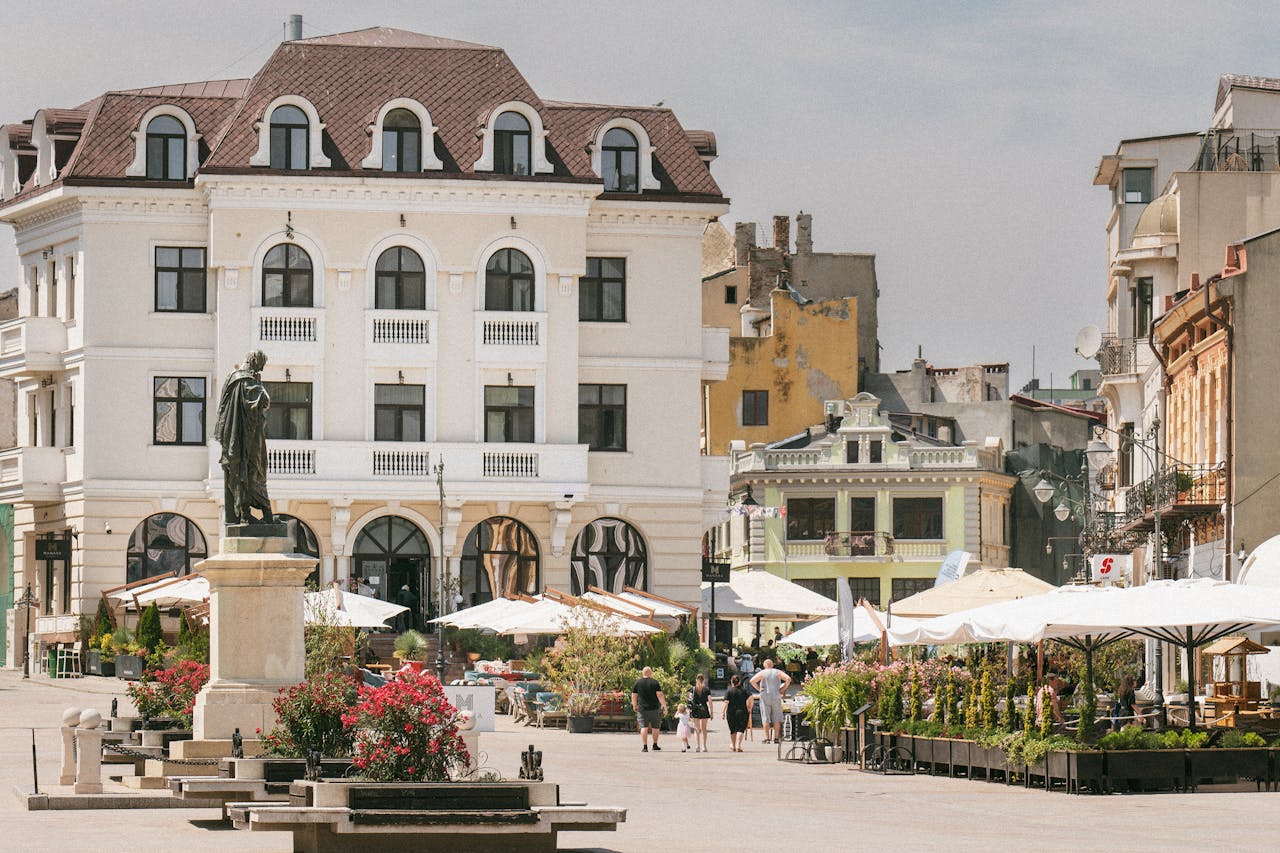
When I go out at night I alternate between seafood restaurants, rooftop bars, and quieter neighborhoods where local life centers on bakeries and markets; the National Museum of History and Archaeology and the Roman mosaics give you tangible history within walking distance of the promenade. You should be aware that during high season crowds and traffic spike, and I’ve seen pickpocketing increase around busy transport hubs, so I treat my valuables with extra care.
Local Cuisine
I eat seafood almost every week here – grilled dorada, plachie (fish stew), and fried anchovies are staples on most menus, and you can get a generous mixed seafood plate for about €8-€15 depending on location. I often buy fresh Black Sea fish at the morning stalls near the pier; when in season you can find 1 kg of small fish or sprats for around €3-€5, which makes home‑cooking both economical and delicious.
Beyond seafood, Constanța’s eateries serve hearty Dobrujan and Balkan dishes: sarmale, mici, and saramură de pește appear alongside Turkish and Tatar influences in bakeries and dessert shops. I recommend trying local markets for seasonal produce and small delis; you’ll save money and get far fresher ingredients than at touristy restaurants on the promenade.
Activities and Attractions
I start many mornings with a run along the Casino to Mamaia stretch – the seaside strip is roughly 8 km of continuous beach and paved promenade, perfect for early work‑out runs or long bike rides. I also make time for cultural stops: the Art Nouveau Casino (iconic despite periodic restoration), Ovidiu Square in the Old Town, and the Roman Edifice with Mosaic, which give you a compact but rich urban itinerary without long commutes.
For day trips I often head to the Danube Delta (Tulcea is about 1.5-2 hours by car), where boat tours range between €20-€50 depending on length and season; Varna in Bulgaria is roughly a 2-3 hour drive if you want an international change of pace. I also use the port connections for occasional ferry and cargo‑watching excursions, and you’ll find regular buses and regional trains for low‑cost exploration of Dobruja’s villages and nature reserves.
When I need work‑friendly downtime, I look for cafés with steady Wi‑Fi and power outlets – in central Constanța I’ve seen average speeds of 50-150 Mbps and mobile 4G/5G coverage is reliable, so your remote work setup usually performs well; still, during peak summer you should plan around noisy crowds and limited parking, especially near Mamaia and festival venues.
Networking Opportunities
I use a mix of in-person and online channels to build relationships in Constanța, because the city’s scene is compact and opportunistic: local meetups, coworking nights, and summer tech festivals concentrate talent into small windows. I often find that spending a week working from a coworking space and attending two events will yield more meaningful contacts than months of scattered cafe work; day passes typically cost €5-€15, and that investment frequently pays off with introductions to designers, developers, or potential clients within a few days.
Seasonality shapes the rhythm here-attendance spikes in June-September and tightens in November-February-so I plan outreach and recruiting around that cycle. When I need sustained hiring or partnerships, I schedule interviews and workshops during the high season, and keep a smaller cadence of online follow-ups in winter; the biggest risk is assuming steady activity year-round, which can leave your pipeline empty if you don’t adapt.
Meetups and Events
I check Meetup.com and local Facebook pages weekly to spot recurring tech, UX, and digital marketing meetups; typical groups draw 20-60 people, which makes introductions fast and practical. I’ve secured freelance projects and found contractors after attending a single themed evening (for example, a product-market fit workshop or a React study group), and I recommend arriving early to connect with organizers who control guest lists and follow-ups.
Smaller, focused gatherings are where I get real traction-hack nights, pitch nights, and coworking “open houses” often lead to direct collaboration within 1-3 weeks. If you want to scale your network, I suggest hosting a low-cost meetup or panel yourself: I once organized a €50 pizza-and-presentation night that brought 35 targeted attendees and resulted in two paid consultations and one long-term hire.
Online Communities
I rely on regional Facebook groups, Telegram channels, and national digital-nomad forums to keep momentum between visits; these channels surface one-off gigs, housing swaps, and meet-and-greet announcements faster than any bulletin board. For example, posting a clear one-paragraph offer and availability in a Romania-wide nomad group has led me to 3-4 leads within 48 hours on several occasions, so I treat those platforms as immediate lead generators.
When I’m vetting a contact, I look for corroborating activity across platforms-a meetup RSVP, a coworking check-in photo, or consistent contributions in a Telegram thread-to reduce no-shows and time-wasters. Most positive outcomes come from combining an online intro with an in-person meet, and I’ll often set a 24-48 hour follow-up to lock in a coffee or desk booking.
For deeper engagement, I maintain a short pinned post that describes my services, availability window, and preferred collaboration types; that clarity gets better responses than a generic “I’m in town” message and has doubled my reply rate on average.
Tips for Living in Constanța
I prioritize a few practical habits that keep my days smooth: pick a base near the Faleza or Tomis neighborhoods if you want beach access and cafes within walking distance, and budget for seasonal rent spikes-short-term rates in Mamaia can double in July-August. I watch mobile data plans closely because Romania’s networks are fast but some prepaid plans throttle after a set GB; I usually top up with a €10-€15 package that guarantees 100+ Mbps peak speeds in town.
My daily routine includes using a coworking pass for focused work and local markets for groceries to cut living costs; a monthly coworking membership runs about €70-€120 depending on amenities. I avoid crowded beaches late afternoon to limit petty-theft risk-incidents are infrequent but I treat pickpocketing as a real hazard when beaches and promenades are packed.
- Digital nomads: get a short-term coworking membership before committing to an apartment.
- Accommodation: hunt for off-season monthly rates (November-March) to save up to 40%.
- Coworking: try 3 different spaces in your first week-noise and Wi‑Fi vary dramatically.
- Visa & residency: start paperwork early if you plan to stay beyond 90 days.
- Learn basic Romanian phrases; vendors and older locals appreciate effort and service can be friendlier.
Accommodation Options
I search listings on local sites like Imobiliare.ro and use Facebook housing groups; studios in the city center run about €250-€450/month off-season, while one-bedroom apartments closer to the promenade average €350-€650/month. Short-term rentals on platforms like Airbnb typically include utilities in the nightly price, but monthly discounts of 15-40% are common if you message hosts directly.
When I inspect flats, I prioritize solid windows and modern heating because older blocks can have poor insulation and unstable heating in winter, which hikes costs and discomfort from December to February. I also negotiate for a written utility cap-electricity and hot water combined can add €40-€120/month depending on usage and building efficiency.
Legal Considerations
I verify entry rules before booking: Romania is in the EU but not yet in Schengen, so visa-free access and rules differ from Schengen countries; many nationalities get 90 days visa-free, but long stays require a long-stay visa (type D) or a temporary residence permit. Processing at consulates or the local Immigration Office typically takes about 4-6 weeks, and costs vary by nationality-expect application fees in the range of €60-€100.
My documents checklist always includes a valid passport, proof of accommodation (rental contract or host letter), comprehensive health insurance valid in Romania, and proof of income or contract; Immigration officers often ask for bank statements covering the last 3 months. For fiscal or business matters I recommend consulting a local accountant if you plan to invoice Romanian clients or register a PFA/LLC; tax filings and social contributions will affect your net income more than rent does.
I often hire an immigration consultant for the first application to avoid repeated trips: they typically prepare forms, translate documents, and book appointments-this service usually costs between €100-€300 but can cut weeks off processing time. Perceiving the bureaucracy as procedural rather than personal helps: I treat each step as a checklist (forms, translations, notarizations, medical insurance) and log every submission date so follow-ups are quick and targeted.
To wrap up
Considering all points, I conclude that Constanța offers a strong option for digital nomads: affordable cost of living, solid internet infrastructure, emerging coworking options, and the quality-of-life benefit of the Black Sea coastline and cultural scene. I weigh its seasonal tourism spikes, limited direct international flights compared with larger hubs, and occasional bureaucratic hurdles against those advantages so you can judge whether the balance suits your work rhythm and lifestyle preferences.
I advise testing a month to verify connectivity and neighborhood fit, prioritize central areas (city center, Mamaia) if you want easy access to services, or choose quieter residential quarters if you prefer lower rent and less noise. I can supply up-to-date lists of coworking spaces, SIM/data plans, and housing platforms to help you plan a smooth stay.