Romania in 2026 – Why It Might Be the Best Place to Move in Europe
Most of your concerns about relocating to Romania can be weighed against clear advantages: rapid economic growth, low living costs, high-speed internet and a tech-savvy workforce make it attractive for professionals, while EU membership and expanding infrastructure ease legal and business transitions. You should also note persistent bureaucracy and localized corruption that can complicate permits and administration. With practical planning and local guidance, you can capitalize on Romania’s strengths and mitigate its risks to make a smart move in 2026.
Overview of Romania
Geographical Location and Climate
Straddling Southeastern Europe, Romania covers about 238,397 km² and sits between the Carpathian arc and the Black Sea, bordering Bulgaria, Serbia, Hungary, Ukraine and Moldova; its population is roughly 19 million. You’ll encounter the Danube slicing across the southern border and emptying into the Danube Delta-a UNESCO Biosphere Reserve of about 3,400 km²-while the Black Sea coast stretches roughly 245 km, giving you a mix of wetlands, plains and coastline within a relatively compact country.
Climate is predominantly temperate-continental but highly regional: summers in Bucharest and the southern plain often top 30°C, while alpine conditions return above 1,500-2,000 m. The Carpathians cover roughly one-third of the country and reach their high point at Moldoveanu Peak (2,544 m); when you venture into the mountains be aware that weather can change rapidly, which can be dangerous for unprepared hikers in late spring and autumn.
Historical Context and Cultural Heritage
The modern Romanian state emerged from the 1859 union of Moldavia and Wallachia and was consolidated after the Great Union of 1918, with the Communist era ending in the 1989 revolution. Since then Romania has integrated into Western structures-you benefit from its EU accession in 2007 and NATO membership since 2004-and those milestones shape everything from regulatory frameworks to investment flows you’ll encounter as a resident.
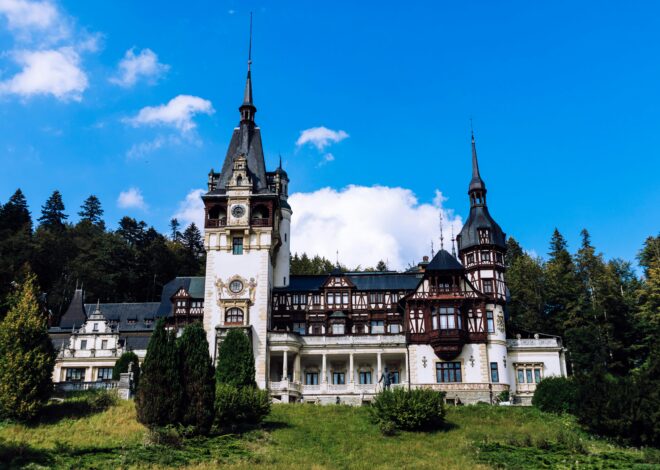
Heritage is visible at street level: medieval citadels like Sighișoara, fortified churches in Transylvania (Viscri, Biertan), the painted monasteries of Bukovina, plus tourism icons such as Bran and Peleș Castles. You’ll also find world-class cultural figures rooted here-George Enescu and sculptor Constantin Brâncuși-and the Romanian language remains a Romance tongue, which affects place names, legal terminology and daily conversation.
In everyday life that heritage translates into food (mămăligă, sarmale), seasonal festivals and village craft economies; ethnic Hungarians make up roughly 6% of the population and Roma communities form another notable minority, so you’ll notice strong regional identities and bilingual pockets, especially in Transylvania. At the same time, regional disparities persist-some rural areas still face limited healthcare access and slower broadband-so plan your move with those local differences in mind.
Economic Prospects
Current Economic Landscape
Economic expansion has outpaced many Western peers in recent years, with Romania recording sustained growth driven by exports, services and investment; after the pandemic rebound growth settled into the mid-single digits, while public debt remained relatively low at roughly around 40-50% of GDP, giving the state fiscal room to invest. You will notice major inflows of EU funds and the Recovery and Resilience Facility – a package worth about €29 billion for investments and reforms – which are accelerating infrastructure, digitalisation and green projects across regions.
Industry remains diversified: manufacturing and auto suppliers continue to export heavily, while the services and tech sectors have expanded rapidly in Bucharest, Cluj-Napoca, Timișoara and Iași. If you follow labor-market trends, unemployment in many urban tech hubs is very low and wages for skilled IT and engineering roles are rising, which increases purchasing power but also creates localized pressures on housing and services.
Growth Sectors and Opportunities
Software and IT services are the headline growth area: Romania produces a large pool of software engineers and has produced global successes (for example, UiPath began in Romania), with the sector now generating several billions in annual export revenue and employing well over 100,000 professionals. You can tap into this ecosystem whether you hire locally, join a scale-up, or start a remote-first company, because talent costs remain materially lower than in Western Europe while skill levels are competitive.
Beyond IT, you should watch automotive components, advanced manufacturing, agritech, and renewables. Multinationals such as Continental, Bosch and Dacia/Renault operate sizeable plants and supply chains here, making Romania a strong base for manufacturing exports; at the same time, EU green-transition funds are opening opportunities in wind, solar and energy-efficiency retrofits.
As an example, Cluj-Napoca and Bucharest now host hundreds of R&D and shared-service centers-if you plan to relocate, your career or business can benefit from local accelerators, coworking networks and university partnerships that shorten hiring and product development cycles.
Real Estate Market Trends
Property demand has risen strongly in major cities due to the influx of tech workers and growing domestic purchasing power; prime urban segments saw price growth in the double digits over recent years, but prices remain significantly below many Western capitals, which preserves upside for buyers. You should expect continued development of new residential and mixed-use projects, particularly on Bucharest’s periphery and in university cities where rental demand is steady.
Rental yields in core cities typically range from mid-single digits for long-term leases to higher returns for short-term or furnished units in central locations, and foreign buyers and investors have increased their activity in 2023-2025. At the same time, rising construction costs and occasional permitting delays mean supply can lag demand, producing pockets of price pressure in tight neighborhoods.
Beware of speculative pockets and uneven regional infrastructure: you may face higher transaction risk in overheated micro-markets, and local bureaucracy can slow renovations or title transfers-so conducting thorough due diligence and working with experienced local agents is crucial if you buy or rent here.
Quality of Life
Cost of Living Comparison
You can expect rent for a one-bedroom apartment in Bucharest city center to run roughly €450-€700/month, with smaller cities like Cluj-Napoca and Timișoara often a bit cheaper or comparable depending on neighborhood. Groceries for a single person typically fall in the €150-€250/month range, while a monthly public-transport pass in major cities is usually between €15-€30. If you earn a Western European salary or work remotely, your purchasing power in Romania will often feel 30-50% higher than in major Western cities.
Typical costs – Romania (examples)
| Item | Typical cost (EUR) |
|---|---|
| 1BR apartment, city center (Bucharest) | €450-€700/month |
| Utilities (electricity, heating, water) | €80-€150/month |
| Monthly groceries (single) | €150-€250 |
| Public transport monthly pass | €15-€30 |
| Mid-range restaurant meal | €8-€15 |
| Private GP visit | €20-€40 |
Average net salaries are lower than Western Europe – around €600-€800/month nationally in recent years – so local purchasing power varies sharply between locals and remote/expat earners. You’ll find the best value if you combine local costs with an international or remote income: families and digital nomads routinely report comfortable standards of living for total monthly budgets of €1,500-€2,500 in major cities.
Healthcare System and Accessibility
Romania operates a public health system (CNAS) that provides broad coverage if you contribute or hold an EHIC as an EU citizen, and emergency care is widely available. In practice, public hospitals can have long waits and staffing shortages, so many expats opt for private providers like Regina Maria, Medicover, and Sanador for faster appointments, English-speaking staff, and more modern facilities. Private health insurance premiums commonly range from about €200-€600/year depending on coverage and age.
Outside large urban centers, you’ll encounter fewer specialists and older equipment; telemedicine and private clinics are filling some gaps but specialized care is concentrated in Bucharest, Cluj-Napoca, and Timișoara. If you depend on ongoing specialist treatment or advanced diagnostics, plan to live near a major city and consider a private insurance plan that covers transfers or treatment at private hospitals.
Education and Opportunities for Families
Public schools teach in Romanian and are free for residents, while major cities host several international and bilingual schools offering British, American, or French curricula – tuition typically ranges from about €4,000 to €12,000/year depending on school and grade. Romania also has well-regarded universities (University of Bucharest, Babeș-Bolyai University, technical and medical schools) with many English-language programs in medicine, engineering, and IT; international tuition for these programs often falls within the same €4,000-€12,000/year band.
Childcare and private kindergarten options are widely available in cities at roughly €150-€400/month, and you’ll find a strong pipeline from universities into Romania’s growing tech and startup scene – companies like Bitdefender and the legacy of UiPath’s founding create internship and hiring opportunities for graduates. If your priority is top-tier international schooling, be prepared to budget for private tuition and early registration.
Infrastructure Development
Transportation Networks and Accessibility
You’ll find Romania increasingly connected by a mix of motorway, rail and air projects: the A1 and A2 corridors remain the backbone for east-west and Bucharest-Constanța traffic, while the Bucharest ring (A0) and sections of new expressways are steadily reducing congestion around major hubs. Frequent low-cost carriers and expanded regional airport terminals in Cluj, Timișoara and Iași have turned provincial cities into well-served international gateways, so you can reach Western Europe or Turkey on short flights without routing through Bucharest.
Rail modernization is moving slower than roads but shows measurable gains where EU funds are focused: electrification and upgraded signaling on main corridors have cut journey times on selected routes, and private operators complement CFR Călători on regional lines. Still, road safety remains a concern compared with EU averages, and some mountain projects-most notably the long-awaited Comarnic-Brașov axis-are reminders that building across challenging terrain can sustain delays that affect travel time reliability.
Digital Infrastructure and Technology Adoption
Major cities already give you access to high‑speed fixed broadband and widespread 4G/5G: Romania frequently ranks among the fastest in Europe for fixed-line speeds, and 5G rollouts by operators such as Orange and Vodafone have covered Bucharest, Cluj, Timișoara and Iași since the early 2020s. Municipal fiber initiatives and private fiber-to-the-home deployments mean you can often get 100+ Mbps in urban neighborhoods and many suburban areas.
On the services side, public and private investment has pushed digital payments, online permit systems and pilot e‑health projects, making everyday interactions smoother if you adopt the local digital tools. Startups in Bucharest and Cluj are leveraging low-latency networks and local data centers to offer cloud and software services, so your business can scale without immediately relocating infrastructure abroad.
Data‑center capacity around Bucharest is growing, and the city functions as a regional internet hub with multiple neutral exchange points and interconnection options, which lowers latency for multinational cloud services and attracts investment from European and global providers.
Sustainable Urban Development Initiatives
You’ll notice cities prioritizing greener mobility and energy efficiency: Bucharest, Cluj and Oradea have expanded tram lines, added electric buses and rolled out bike lanes as part of urban regeneration programs. Oradea stands out as a model of coordinated public investment and streetscape redesign that reduced congestion and revitalized the historic center, offering a practical case study of what works at municipal scale.
Energy retrofits for apartment blocks, pilot district heating upgrades and rooftop solar programs are being funded through national and EU recovery funds, helping lower bills and emissions-useful if you’re weighing long‑term living costs. At the same time, urban expansion and flood-prone river corridors signal that climate adaptation remains a pressing, potentially risky priority for planners and residents alike.
Expect local governments to keep pairing mobility investments with green building standards and public‑space upgrades, so if you choose a city that has an active sustainability roadmap you’ll benefit from cleaner air, better public transport and rising property quality as these projects complete.
Expat Community and Integration
Overview of the Expat Population
You’ll find that Romania’s expat makeup is diverse: long-term residents, EU commuters, international students, and a fast-growing contingent of digital nomads. Major hubs like Bucharest and Cluj concentrate the bulk of foreigners, while coastal and university towns host seasonal and student populations. Communities from Moldova, Italy, Germany, the UK, Turkey, China and India are especially visible in city neighborhoods, businesses, and cultural events.
In practical terms, tens of thousands of non-Romanian residents live and work here, and universities attract several thousand international students annually-Babeș-Bolyai and the University of Bucharest are notable magnets. You can gauge community size by attendance: international meetups in Bucharest often draw 100-300 people, while major tech conferences pull in several thousand, creating regular opportunities to plug into local networks.
Cultural Adaptation and Language
Romanian is a Romance language, so if you speak Spanish, Italian or French you’ll pick up grammar and vocabulary faster; otherwise plan to learn basic Romanian phrases for daily life. In big cities many people under 35 speak conversational English, and you’ll manage in cafes, coworking spaces and international firms, but public administration, healthcare forms and some landlords still operate primarily in Romanian.
Sign up for a beginner course or language exchange as soon as you arrive: private schools, university extension programs and apps like Duolingo or Tandem all work, and intensive summer courses in Cluj and Bucharest run 4-8 weeks. In business settings you’ll notice a preference for polite directness and relationship-building; putting effort into language and local etiquette pays off for housing, contracts and social invitations.
To accelerate fluency, practice with neighbors, join a weekly language cafe or use local Facebook groups to find conversation partners-this combination of structured lessons plus real-world practice is the fastest route to fluency and deeper integration.
Networking and Social Opportunities
Startups, tech conferences and coworking communities form the backbone of professional networking: events like Techsylvania (Cluj) and several annual meetups in Bucharest attract entrepreneurs and recruiters, while coworking spaces such as Impact Hub Bucharest and Commons host regular mixers. Chambers of commerce-AmCham, the British-Romanian Chamber-and industry associations run monthly events that are efficient for meeting local business leaders.
Social life is supported by active expat communities on Facebook and Meetup, plus InterNations groups and language-exchange nights that regularly draw 50-200 participants. Volunteering with NGOs like OvidiuRo or Teach for Romania gives you a fast track to local social capital and introduces you to Romanian colleagues outside of formal networking circles.
Practical steps: join two local Facebook or Meetup groups before moving, attend one industry event each week for your first month, and secure a desk at a coworking space for daily, informal networking that quickly expands your social and professional contacts.
Safety and Political Stability
Crime Rates and Public Safety
Violent crime in Romania is generally low compared with many non-EU countries; serious assaults and homicides are uncommon outside isolated incidents. Most safety issues you will encounter are property-related-pickpocketing in crowded tourist areas and occasional car break-ins in larger cities such as Bucharest and Constanța-so you should keep valuables out of sight and lock vehicles overnight.
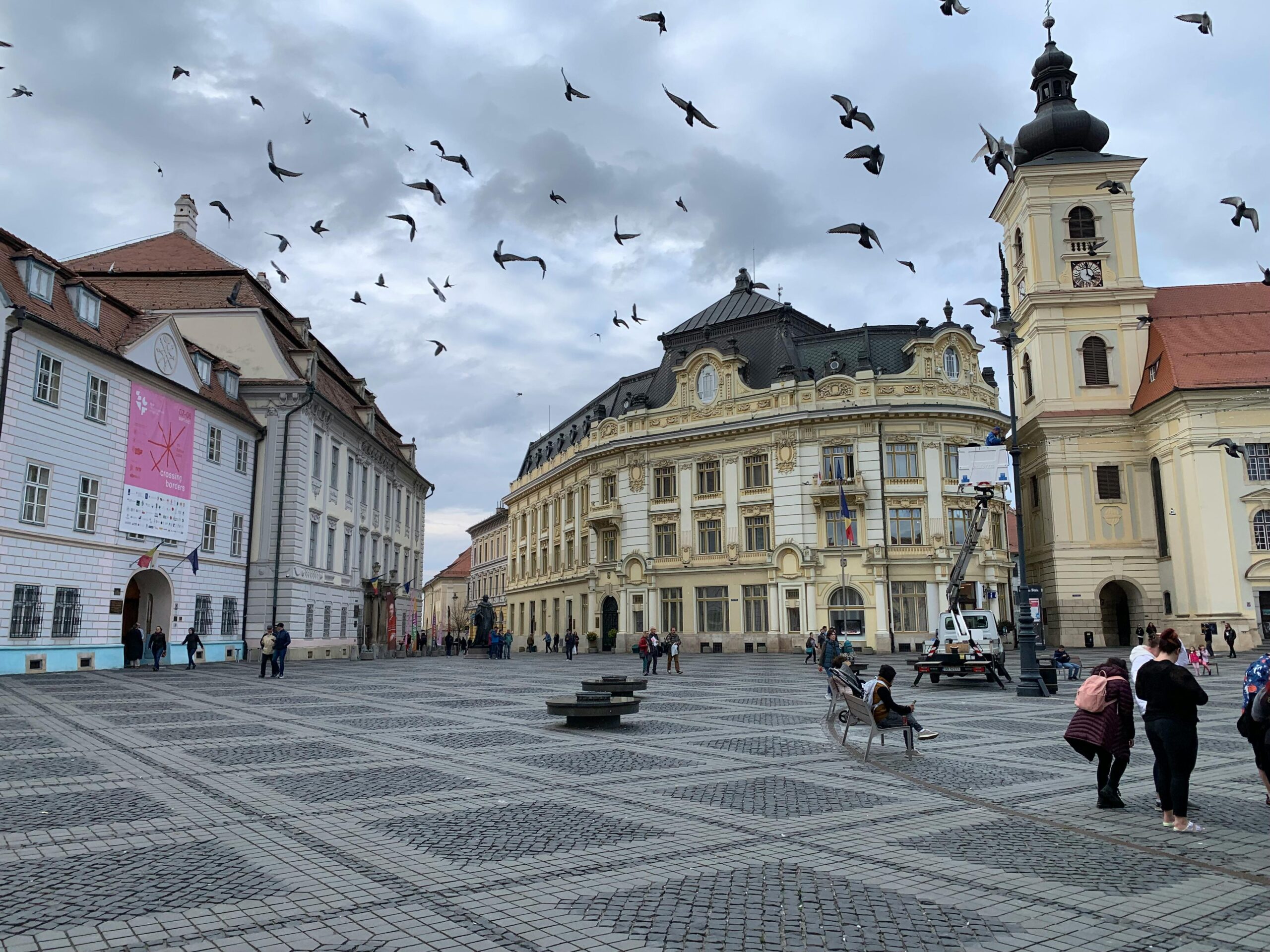
Police presence has increased in major tourist hubs and municipal strategies have reduced street crime in places like Cluj-Napoca and Sibiu, both frequently cited by expats for their safety. If you live in or visit Bucharest, expect safer central districts and to exercise extra caution late at night in some outskirts; practical measures like using licensed ride services and avoiding isolated ATMs cut your personal risk further.
Political Environment and Governance
Romania is a parliamentary democracy where coalition governments are common, and that can produce frequent cabinet reshuffles you will notice if you follow policy. Anti-corruption enforcement has been a significant factor in governance: the National Anticorruption Directorate (DNA) secured high-profile convictions, including the 2019 conviction of Liviu Dragnea, which demonstrated that institutions will pursue major cases against top officials.
At the same time, you should expect episodic political protests and intense public debate around judicial reform and public-sector transparency-events in 2017 and subsequent years forced policy reversals and tighter EU scrutiny. Regulatory changes can move quickly, so paying attention to fiscal and labor-law updates matters if you plan to start a business or sign a lease.
For day-to-day life, these enforcement trends mean you benefit from stronger rule-of-law signals than a decade ago, but you also need to be alert to short-term policy shifts: monitor updates from local authorities and your embassy, and plan for occasional bureaucratic delays tied to government reshuffles.
EU Membership and International Relations
Romania joined the European Union in 2007 and NATO in 2004, facts that underpin its security posture and economic integration. The presence of the NATO ballistic-missile-defense site at Deveselu (operational since 2016) and regular allied exercises along the Black Sea coastline reinforce Romania’s strategic role; that stability translates into a predictable security environment for residents and investors.
Romania has been an active regional actor since 2022, serving as a logistics and humanitarian gateway for Ukraine and hosting NATO rotations and exercises, which increases allied presence and deterrence on Romania’s eastern flank. Those developments mean you live in a country with deep Western security ties and ongoing infrastructure investment linked to defense and civil preparedness.
On a practical level for you, EU membership means ongoing access to structural funds and legal alignment with EU standards-this drives improvements in roads, airport terminals, and public services that you use daily, and it shapes the regulatory environment for housing, healthcare, and business.
Conclusion
With this in mind, you should consider Romania as one of Europe’s most attractive relocation choices in 2026: you will find a cost of living substantially lower than in Western Europe while benefiting from fast internet, a dynamic IT and startup ecosystem, and a flat personal income tax that keeps more of your earnings. You can settle in vibrant cities like Bucharest or Cluj-Napoca for career opportunities and cultural life, or choose quieter regions for access to mountains and the Black Sea; either way, expanding infrastructure, EU membership, and growing expat communities make transitions easier and daily life more convenient.
You will also gain flexibility as a remote worker or entrepreneur thanks to increasingly favorable business conditions and sectoral incentives, alongside improving healthcare and education services that support long-term residency. With strategic planning, Romania offers you high quality of life, professional prospects, and affordable living – compelling reasons to make it your next European home.