Romanian Social Etiquette – How Not to Be ‘That Foreigner’
Just as I settled in, I learned that fitting into Romanian social life depends on small, respectful gestures: I use formal greetings and punctuality, you adapt to reserved tones and polite directness, and your behavior reflects on all foreigners. Observe greetings and dress conservatively; avoid loud arrogance or ignoring personal space; learn a few Romanian phrases and show genuine curiosity.
Understanding Romanian Culture
Historical Influences
I point to the Roman conquest of Dacia in 106 AD and the 1918 Great Union as two anchor moments that explain why a Romance language survives here and why national identity is layered across regions. You’ll see Ottoman administrative patterns in culinary habits and trade routes, Austro‑Hungarian legacy in Transylvanian architecture and bilingual signage, and the stamp of the 1947-1989 communist era in centralized institutions and a cautious public discourse about authority. EU accession in 2007 and NATO membership in 2004 then accelerated legal and economic shifts that shape how older and younger generations interact today.
Practical consequences of those histories are immediate: formal address and titles persist in older generations, while hospitality rituals-offering food, insisting a guest eat more-come from rural, communal survival practices. When I visit a Romanian home I always bring a small gift and avoid giving an even number of flowers (that’s reserved for funerals); you will offend without realizing it if you do. Also, be aware that political and ethnic topics can be dangerous conversational landmines unless you’ve earned trust-tread lightly until someone opens that door.
Contemporary Values
I notice contemporary Romania blends pragmatism with pride: young entrepreneurs, especially in Cluj‑Napoca and Bucharest, have built thriving tech and startup scenes, aided by some of Europe’s fastest average fixed broadband speeds and high smartphone adoption among under‑35s. Family remains central-weekend visits across generations are common-and education is highly valued, with a steady flow of students pursuing STEM and medical degrees abroad before returning or sending remittances. Corruption perceptions still influence public sentiment, which is why public protests and civic engagement have become part of the civic vocabulary since the 2000s.
For daily interactions, act accordingly: be punctual in business settings, use formal titles until invited to switch to first names, and accept hospitality gestures at least once. I always learn a few Romanian phrases-“Bună ziua,” “Mulțumesc,” “Poftă bună”-because they open doors faster than flawless language skills. You should also note that social norms vary by region; Transylvania’s multicultural etiquette differs from Moldavia’s more conservative tone, so adapt based on where you are and who you’re with.
Over time, I learned that if you want to fit in in Romania you must be observant and respectful: always greet with a firm handshake and eye contact, using titles until invited otherwise; failing to do so can be offensively presumptuous. I advise you to accept offers of hospitality and small rituals-Romanians are warmly generous-and to keep your tone formal in new encounters to protect your social ease.
Dining Etiquette
Table Manners
When I sit down at a Romanian table I wait for the host to begin-often they’ll say “Poftă bună” or start eating themselves; starting before them can be seen as rude. Use the continental style: I keep the fork in my left hand and the knife in my right while cutting, and I place utensils parallel on the plate when finished. Avoid the most glaring faux pas: never stick your knife upright in a plate or leave cutlery jammed into bread, and try to keep your elbows off the table during the main courses.
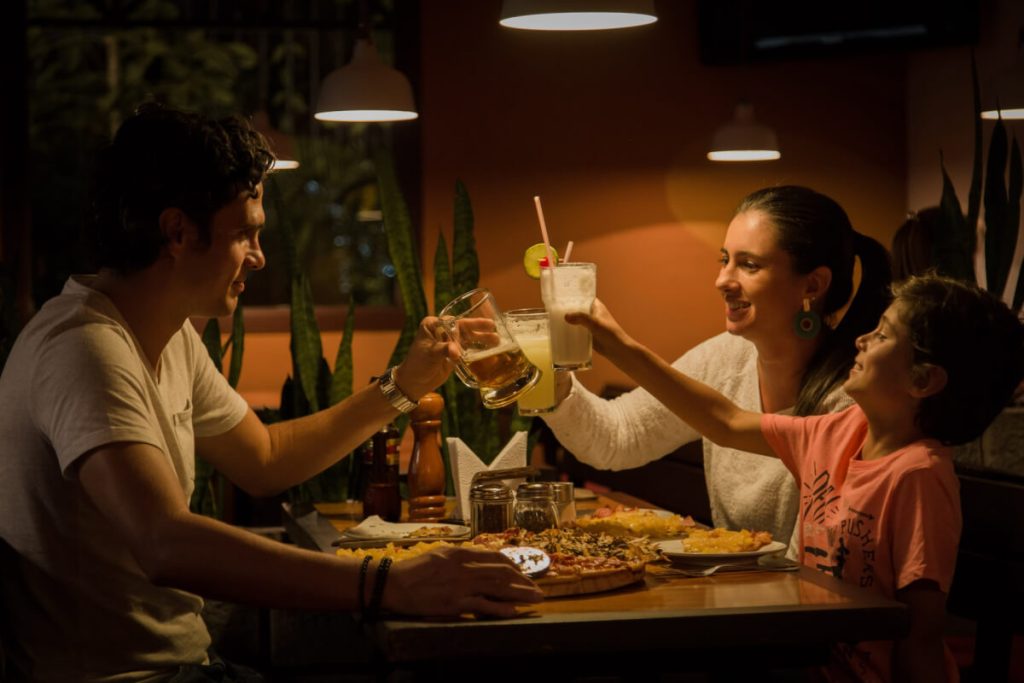
Toasts are frequent-people say “Noroc!” and you should raise your glass, make eye contact, and sip after everyone clinks. If wine is served, I wait for others to be poured first and will pour for women and older guests before myself; in restaurants a tip of about 10% is typical if service isn’t included. Also, sample each course: offering a bite and accepting one shows appreciation, while refusing multiple times can insult a host who prepared the meal.
Invitations and Host Duties
If you accept an invitation I arrive no more than 10-15 minutes late unless the host tells you otherwise; arriving significantly early puts them out. Bringing a small gift is expected-flowers, a bottle of wine (Fetească Neagră is a safe local choice), or chocolates work well-but give an odd number of stems for celebratory occasions and avoid chrysanthemums (they’re associated with funerals). RSVP clearly and tell the host about dietary restrictions ahead of time so they can plan portions-Romanian meals often include several courses (aperitiv, ciorbă, fel principal, desert).
When I’m hosting I make sure there is more than enough food: Romanian hospitality means guests often expect seconds, and a proper meal can last 2-4 hours with coffee and sweets served afterward. Hosts typically offer a coat, assign a seat, and insist guests take a second helping; I usually accept one polite refusal and then a small additional portion to avoid awkwardness. Compliment the cook specifically-saying which dish you liked shows attentiveness and is taken seriously.
As a guest I always send a short thank-you message within 24 hours; if you want to reciprocate, invite them back within a few weeks or bring a small souvenir when you visit again. If the home requests removing shoes, comply without hesitation-if not mentioned, I keep my shoes on unless the host offers slippers.
Dress Codes and Appearance
I treat clothing as a social signal here: in Bucharest and Cluj people lean toward smart-casual by day-clean jeans, a blazer or knit, and leather sneakers or loafers-while traditional office environments still expect suits. In smaller towns and at family events attire skews more conservative; for example, men commonly wear dark suits to weddings and funerals, and women opt for knee-length dresses or skirts. Avoid shorts, flip-flops and athletic wear in churches and at formal gatherings, since that’s the fastest way to mark yourself as a disrespectful tourist.
When you’re unsure, I advise dressing one notch up from the locals: bring a blazer or a simple dress that can be layered. Practical details matter more than labels-well-pressed clothes and clean shoes often shape first impressions more than designer logos.
Casual vs. Formal Attire
Casual in Romania usually means neat and put-together rather than sloppy: fitted jeans without rips, plain T-shirts or shirts, and tidy footwear. Among 20-30‑year‑olds in urban cafés and coworking spaces you’ll see ankle boots, simple trainers and understated outerwear; meanwhile, graphic slogans-especially political or religious-can draw unwanted attention. For formal events such as weddings, baptisms or business dinners, men should wear a dark suit and tie and women should choose dresses that cover the shoulders and fall at or below the knee. Showing up underdressed to a wedding or funeral is perceived as disrespectful.
I carry a lightweight blazer or scarf when I travel between cities because it instantly upgrades a casual outfit and is useful for entering churches where modesty is expected. At resorts and on the Black Sea coast rules relax-shorts, sandals and sundresses are fine there-but keep a conservative change for leaving the beach and entering town.
Grooming Expectations
Personal grooming in Romania signals respect and social fit: clean, trimmed nails, well-combed hair and either a clean shave or a neatly trimmed beard for men. Excessive piercings, vivid hair dye or heavy makeup stand out more in smaller towns, so you should tone those down for formal or family settings. I recommend subtle fragrance only-strong cologne in crowded restaurants or public transport is often noticed negatively. In professional settings, cover visible tattoos and keep accessories minimal.
In interviews or official meetings I’ve seen very tangible effects from small grooming changes: swapping sneakers for polished leather shoes or wearing a pressed shirt often shifts the tone of the meeting and increases perceived trust. Tie long hair back for formal occasions, keep beard lines sharp, and if you wear jewelry let it be restrained-those details communicate that you respect the setting and the people you’re meeting.
Communication Styles
Direct vs. Indirect Communication
I’ve found Romanians switch between blunt and circumspect depending on context: in markets, taxis and negotiation situations people are often very direct – you’ll hear a straightforward price, a firm “nu” or a terse correction. In contrast, when the subject touches pride, family or saving face, conversations go more indirect; people may use understatement, irony or a polite circumlocution to avoid confrontation, so if someone answers with “maybe” or changes the subject, that can be a soft refusal rather than an opening for persistence.
In a business meeting I attended in Bucharest, attendees from regional towns deferred to the senior speaker with less explicit disagreement, while younger professionals voiced clear objections. If you’re negotiating, test directness: state your position plainly, then watch nonverbal cues and phrasing for whether to push or back off. A single word like “bine” (fine/okay) is not always agreement – I treat silence and minimal replies as potential signals to probe gently rather than assume consent.
Non-Verbal Cues
I pay attention to eye contact and touch: steady eye contact signals sincerity and engagement, especially in professional settings, while a light handshake is the default greeting for first-time meetings – use a firm, not crushing, grip. Among friends and family you’ll often see closer proximity and a kiss on the cheek; if you’re invited into that circle, follow the lead rather than initiating physical contact.
Gestures matter: an open palm or subtle head nod works better than pointing with a finger, which many find rude. Personal space tends to be less than in Anglo contexts – think roughly an arm’s length (about 50 cm) in casual conversation – so if you step back too far you can seem aloof, and if you close in too fast with strangers you can make them uncomfortable; I watch for reciprocation and adjust.
I also look for mirroring and tone: Romanians often use dry humor and understatement, so a deadpan remark can be affectionate not hostile, and raising your voice rarely earns respect outside heated debate. If your facial expression or gestures are too exaggerated you risk misreading intent; I keep my expressions measured and match the other’s energy to avoid signaling disrespect.
Gift-Giving Norms
Appropriate Gifts
Flowers are the most common hostess gift; when I bring them I always choose an odd number of stems (1, 3, 5 or 7) because an even number is associated with funerals. Local wine (for example a bottle of Fetească Neagră or a good Vrancea vintage) and quality chocolates also work well-I generally spend about 50-150 RON for a casual invite and up to 150-300 RON for a more formal or business-related occasion. Practical, locally made items (honey, jam, artisan soap) are appreciated, while very personal gifts like jewelry or expensive gadgets can feel inappropriate early in a relationship.
I avoid certain items: chrysanthemums and even-numbered bouquets, anything with overt religious or political symbolism, or overly cheap tourist trinkets that suggest I didn’t put thought in. For children, well-chosen toys or books are fine; for older relatives, a good bottle of wine or a box of high-quality sweets usually goes down well. Name days (onomastics) are a real thing here, so you’ll see similar gifts at those celebrations as at birthdays.
When and How to Present Gifts
When I arrive at someone’s home I hand the gift to the host right away-flowers or a wine bottle at the door signal appreciation for the invitation. I wrap gifts neatly and avoid loud or tacky packaging; for flowers I remove excessive cellophane and present them tied or in a simple sleeve. If the host insists on opening the gift immediately, I follow their lead, but often they’ll set it aside to open after guests arrive.
In business settings I wait until we’ve built some rapport-presenting a gift on the very first meeting can be misread, so I usually offer something modest and non-personal (a quality notebook, local specialty food) after a few positive exchanges; I keep the value below ~300 RON initially to avoid any implication of bribery. If the occasion is a birthday or name day at the office, a small group gift is common and accepted.
As a quick practical example: I once brought a bouquet of 12 roses to a colleague’s birthday and was gently corrected about the even number, so now I stick to odd counts (1, 3 or 5 stems) and present wine or flowers at the door-this simple adjustment prevents awkward moments and signals that you know local norms.
Summing up
As a reminder, I encourage you to practice basic Romanian courtesies: greet people with eye contact and a firm handshake or a kiss on the cheek when invited, dress modestly for formal settings, be punctual for appointments, and remove your shoes in private homes when hosts do. Learn a few polite phrases in Romanian and bring a small gift for a host-those simple gestures help you fit in rather than stand out.
I also advise you to watch nonverbal cues, avoid heated political debates, accept hospitality gracefully, and apologize plainly if you misstep; approaching interactions with curiosity, humility and consistent manners will make your visits smoother and ensure you aren’t labeled “that foreigner.”