Best Places to Live in Romania for Digital Nomads
You can base your remote life in Romania where I find fast, reliable internet, vibrant coworking scenes and affordable living; I recommend Cluj-Napoca and Sibiu for quality of life and Bucharest for professional opportunities. I warn you to be mindful of pickpocketing in crowded tourist spots and occasional heavy traffic, and I’ll guide your choices on visas, transport and neighborhoods to protect your work and lifestyle.
Overview of Digital Nomadism in Romania
Definition and Trends
I define digital nomads here as remote workers who base themselves in Romanian cities for weeks or months while servicing clients or employers globally; many combine work with intensive local networking and weekend escapes. Urban areas like Bucharest, Cluj‑Napoca, Timișoara and Brașov have become hubs because they offer a mix of startup meetups, coworking options and events such as Techsylvania in Cluj. Providers like RCS‑RDS (Digi) and Orange deliver widespread fiber and 5G coverage, so ultra‑fast fixed broadband (often topping 200 Mbps in urban areas) and cheap mobile data are common advantages for remote work.
Adoption has accelerated since 2020: I see more long‑stay visitors and seasonal influxes around spring and autumn, with landlords and coworking operators adapting to monthly stays. Typical monthly costs for a one‑bedroom in a city center usually fall in the €300-€600 range outside Bucharest and €400-€800 in Bucharest, while coworking memberships range roughly €60-€150 per month. At the same time you should note that Romania did not have a dedicated digital nomad visa as of mid‑2024, and tax residency rules (183 days) can change your obligations, so visa and tax planning are part of nomad logistics.
Benefits of Working Remotely in Romania
You gain high value for money: living costs are frequently 30-50% lower than in Western Europe, which lets you reinvest in travel, coworking or local experiences. Public transport in major cities is reliable and cheap, and low‑cost carriers such as Wizz Air and local Blue Air provide frequent flights across Europe, making quick trips or client visits straightforward. I often budget less for rent and more for experiences because your euro or dollar stretches further here.
Another major benefit is lifestyle variety within short distances: you can work in a modern coworking space in the morning and be hiking the Carpathians or at the Black Sea by the weekend. The private healthcare network in cities is accessible for expats, and international cafés and English‑friendly services are increasingly common-especially in Cluj and Bucharest-so quality of life combined with easy weekend escapes is a frequent reason nomads extend stays.
On the community side, I find strong local ecosystems: coworking spaces host weekly meetups, local developer groups and startup pitch nights that regularly draw 30-200 attendees, and accelerators are easier to access than in many smaller EU markets. That translates into fast networking, client leads and collaboration opportunities, but you must plan for local bureaucracy and potential tax implications before settling in for the long term.
Top Cities for Digital Nomads
Bucharest
I base myself here when I need nonstop city energy: the metro and tram network gets me across a city of roughly 1.8 million people, and there are 50+ coworking spaces and hundreds of cafés with reliable Wi‑Fi – day passes typically run €8-15 while monthly coworking memberships fall around €80-€180. I find rents in central neighborhoods usually sit between €400-€700 for a one‑bed, with cheaper options farther out. Internet is a large upside: widespread fiber networks often deliver household speeds well above 100-200 Mbps, so video calls and uploads rarely slow me down.
If you value direct connections, Bucharest Henri Coandă airport links to most Western European hubs and budget carriers, which makes short hops easy. I caution you about tourist hotspots: Old Town has lively nightlife but also a steady stream of petty theft – I always keep valuables out of sight and use a crossbody bag; pickpocketing is the main safety issue. Healthcare and international services are plentiful, and you’ll find large expat meetups and tech events almost every month.
Cluj-Napoca
I choose Cluj when I want a compact tech hub vibe: about 320,000 residents, a strong university population, and a concentrated startup scene that fuels meetups, hackathons, and investor events. Coworking options number around 15-20, with monthly desks roughly €70-€140 and plenty of coffee shops that double as informal offices. Rents are slightly higher than the national average-expect €350-€550 for a one‑bed in central areas-and the city often hosts festivals like Untold that draw international crowds.
Internet here is consistently fast and stable, and I’ve picked up short freelance gigs by networking at tech meetups; if you’re building a client base, Cluj makes professional introductions easy through local accelerators and university ties. Public transport is compact and walkable, so I often skip a car and rely on trams and bikes for short trips.
For extra local detail: I like basing myself near the Central Park (Parcul Central) because it puts me within a 10-15 minute walk of most coworking spaces and the main student cafés, and weekend trips to the Apuseni Mountains are an easy 1-2 hour drive for hiking or caving. The combination of a lively social scene and a deep talent pool means you can attend a pitch night one evening and a tech workshop the next, which accelerated my client pipeline within weeks.
Timișoara
I turn to Timișoara when I want culture and calmer streets: the city of roughly 300-320k was one of Romania’s European Capitals of Culture, so you’ll find restored squares, independent galleries, and a good café culture. Coworking spaces number around 10-15, with competitive pricing (monthly desks often €60-€130). Living costs are generally lower than in Cluj or Bucharest-central one‑bed flats commonly rent for €300-€500.
Transport and regional access are strong here: Timișoara International Airport offers several budget routes across Europe, which I use for weekend escapes. The city’s multicultural history means you’ll encounter Romanian, Hungarian, and Serbian influences in food and neighbourhoods, and English is widely spoken among younger professionals.
Additional practical note: I appreciate how close the Serbian and Hungarian borders make weekend trips into neighboring cultures; driving to the nearby hills or taking a short regional train is convenient. That cross‑border accessibility has helped me diversify both leisure options and occasional consulting gigs with partners in nearby countries.
Brașov
I head to Brașov when I want mountains plus reliable urban amenities: the city of roughly 250k sits at the foot of the Southern Carpathians, offering immediate access to hiking and skiing. Coworking spaces are smaller but functional (5-10 options) and rents are moderate-expect about €300-€450 for a central one‑bed-so Brașov is a favorite when I want outdoor weekends without sacrificing connectivity. Internet is solid in town, though speeds can drop slightly in mountain cabins.
If you’re planning to split work and nature, Brașov is ideal: Poiana Brașov ski resort is a short drive and popular day trips include Bran Castle and Piatra Craiului National Park. I advise caution during winter drives on mountain roads; icy passes can be dangerous, so I avoid late‑night travel in bad weather and check local forecasts before heading out.
On a practical level, I usually base myself near the Old Town because it’s walkable to cafés, grocery stores, and the train station-this makes logistics for day hikes or client meetings very straightforward. The tourist flow is high in summer and winter, which boosts short‑term rental options if you want flexibility, but be prepared for crowds around major attractions on peak weekends.
Cost of Living Considerations
Housing
Rents in Romania range a lot by city: a furnished one-bedroom in central Bucharest typically runs about €350-€600/month, while Cluj-Napoca and Timișoara usually sit higher at roughly €400-€800/month; smaller cities like Brașov or Iași are often closer to €250-€450/month. I look for longer-term leases if I plan to stay more than a month, since short-term Airbnb rates can be 30-50% higher; in many cases signing a three- to six-month contract drops the monthly cost significantly.
Expect a one-month security deposit and ask upfront about utilities-during winter my heating bills have jumped to €80-€150/month in older apartments, so I factor that into the total. When I rent, I insist on a written contract and receipts: rural listings or cash-only deals can be tempting but carry the risk of disputes or hidden fees, and I highlight any unclear clause before handing over money.
Daily Expenses
Groceries, transport and coworking shape your daily budget: I typically spend about €150-€250/month on food if I cook most meals, with a meal at an inexpensive restaurant costing around €5-€8 and a mid-range dinner for two about €20-€35. Public transport monthly passes are affordable (€15-€25), taxis start cheap but add up, and reliable high-speed home or apartment internet is commonly €8-€15/month; coworking spaces run from €50 to €200/month depending on location and amenities.
To stretch your budget I shop at chains like Lidl and Kaufland or local markets for fresh produce, and I avoid tourist-heavy restaurants where prices can be inflated; conversely, street food and neighborhood bistros offer great value and local flavor. If you want specifics, in my month living in Brasov I averaged about €20/day including coworking and occasional dining out, while in Cluj a slightly higher rent pushed my monthly total closer to €900 when I included shared workspace and regular dining at mid-range places.
Connectivity and Infrastructure
Across Romania the physical and digital infrastructure generally supports remote work very well: major cities have widespread fiber-to-the-home (FTTH), modern office buildings often include backup power for short outages, and mobile networks deliver strong urban coverage. I often advise choosing accommodation within a few streets of a known ISP hub or co-working cluster, because last-mile availability can make the difference between smooth video calls and frustrating drops in smaller towns.
You should plan for contingencies: occasional maintenance or local power hiccups happen outside Bucharest and Cluj, so I always carry a local SIM for tethering and check whether apartments or workspaces offer UPS or generator support. When you arrive, I test speeds and latency immediately so you can switch providers or locations quickly if needed.
Internet Speed
You can expect excellent fixed broadband in cities – many residential and office packages advertise 1 Gbps plans from providers such as RCS&RDS (Digi), Orange, and Vodafone, and typical delivered speeds in Bucharest, Cluj and Timișoara frequently sit in the few-hundred Mbps range during business hours. I’ve seen real-world downloads of 300-500 Mbps on fiber connections; outside large urban centers averages drop toward 100+ Mbps or lower depending on local infrastructure.
Mobile data is a solid backup: 4G LTE covers most populated areas and 5G is available in major cities with rapidly expanding footprints. When I travel between cities I compare coverage maps and pick a pay-as-you-go or monthly SIM – that gives you a reliable tether option with throughput often in the tens to low hundreds of Mbps for day-to-day tasks.
Co-Working Spaces
Bucharest, Cluj, Iași and Timișoara host the highest density of co-working options, from international hubs to boutique spaces near universities; I use them frequently for stable connections and networking. Typical amenities include meeting rooms, secure guest Wi‑Fi, printing and community events, and prices usually run day passes €8-€15 or monthly memberships €100-€300 depending on location and level of service.
When I book a desk I check peak-hour occupancy and meeting-room availability since popular spaces fill up during weekday mornings; many spaces publish real-time calendars or let you reserve a desk. Also assess noise policy and on-site power backups – I prefer spaces that advertise SLA-style uptime or visible UPS systems for uninterrupted calls.
I’ve worked from Impact Hub locations in Bucharest and Cluj and found their office-grade fiber and community events particularly useful for client introductions; boutique local spaces near universities often offer cheaper monthly rates and more flexible contracts. Before committing, I always take a trial day, ask for a sample invoice (useful if you need a VAT invoice for your company), and verify whether the membership includes meeting room hours or printing credits.
Culture and Lifestyle
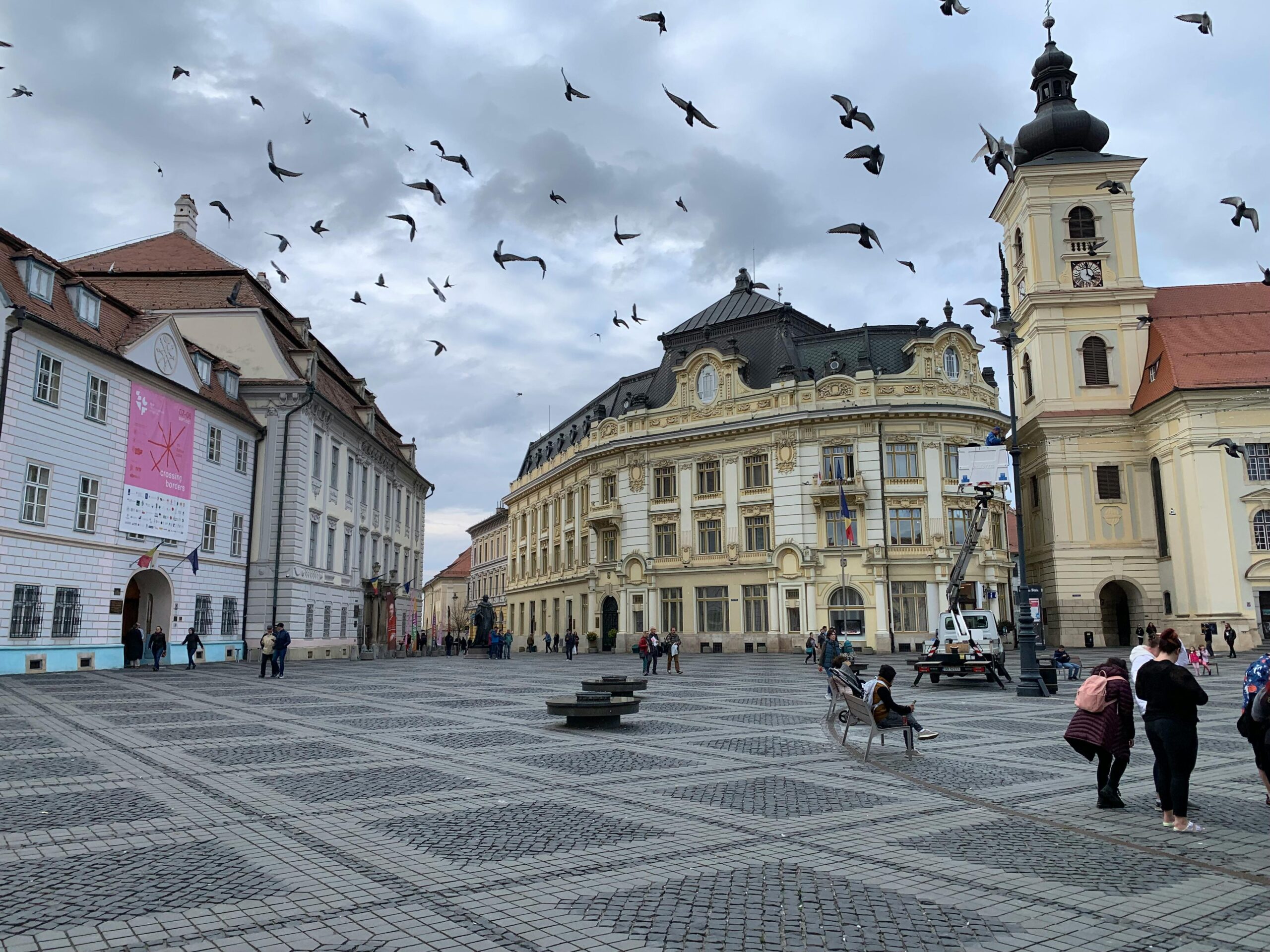
I find Romania’s culture strikingly diverse: urban scenes in Bucharest and Cluj blend contemporary art galleries, craft cocktail bars and coworking hubs, while smaller cities like Sibiu and Brașov preserve medieval squares and weekend markets. You’ll pay €5-€20 for most museum or theater tickets, and festivals such as Untold and Electric Castle draw international crowds, so I plan around those dates when I want more social energy or quieter stretches for focused work. Internet is reliably fast in cities-100+ Mbps is common in apartments and coworking spaces-so I can join video calls without disruption while still escaping to a mountain trail on weekends.
Daily life balances modern conveniences with pockets of tradition: I’ll eat a hearty sarmale or papanasi at a local market, then head to a low-cost café where a coffee runs €1.50-€3 and power outlets are abundant. Safety is generally good, but I stay alert in crowded tourist areas because pickpocketing can spike around major attractions, and winter travel requires planning since some mountain passes close seasonally.
Local Attractions
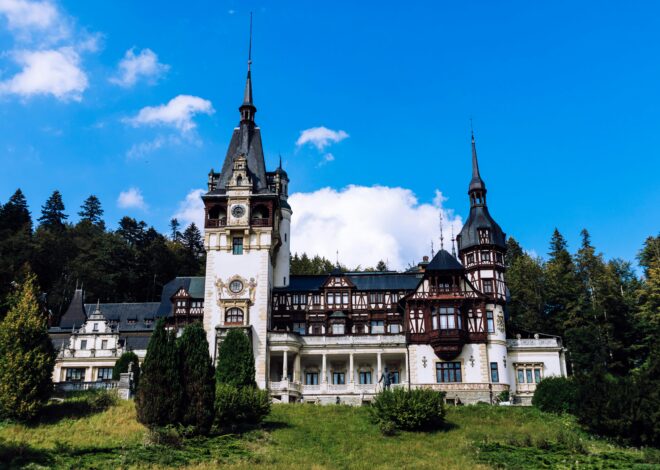
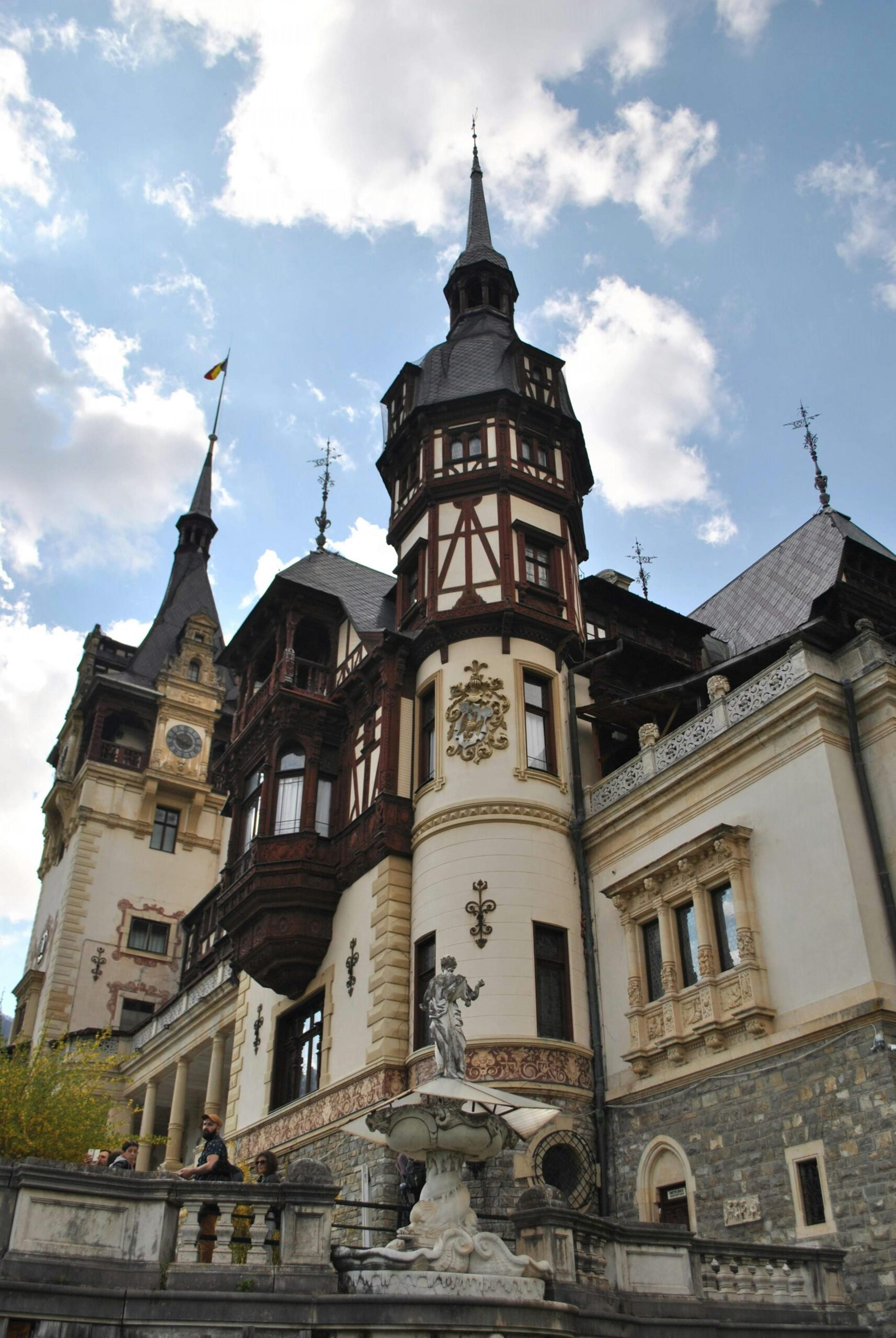
I often split my downtime between urban cultural sites and natural highlights: the Danube Delta is a UNESCO biosphere reserve teeming with birds and waterways ideal for multi-day boat trips, while the Transfăgărășan reaches its summit at about 2,042 m and offers one of Europe’s most scenic drives when open (typically late June-October). Historic towns like Sighișoara (a well-preserved medieval citadel) and Peles Castle in Sinaia provide quick weekend escapes within 2-3 hours of Bucharest, making spontaneous trips practical when I need contrast from screen time.
For active breaks I head to Poiana Brașov for skiing and mountain trails in winter, or to the Carpathians for summer hiking; these areas have well-marked routes and local guides if you want multi-day treks. I emphasize planning: some attractions are busiest in July-August, so I book accommodations and any guided tours a few weeks ahead to avoid inflated prices and crowded days.
Community and Networking
I engage with a mix of coworking spaces, meetups and conferences to build connections quickly-Bucharest and Cluj host dozens of coworking venues, from boutique spaces to larger hubs like Impact Hub Bucharest, where day passes run roughly €8-€15 and monthly memberships commonly range €80-€200. You’ll find regular meetups for developers, designers and digital nomads on Meetup and Facebook; I’ve expanded my client base by attending startup events such as How to Web and Techsylvania, which attract thousands of attendees and concentrated networking opportunities.
Local expat and nomad communities are active: I join language exchanges, tech talks and rooftop meetups that make introductions easy, and I recommend leveraging coworking events to meet co-founders or short-term collaborators. When I need deeper integration, volunteering at a conference or offering a workshop has connected me to mentors and long-term projects.
Practically, I use three channels for networking: coworking noticeboards for immediate invites, Meetup/Facebook groups for scheduled events, and direct outreach to speakers after conferences; combining those methods has yielded long-term contacts and occasional project work, and the friendly local community means introductions often convert into real collaborations.
Visa and Residency Options
Long-Term Stay
I note that EU/EEA/Swiss citizens can live and work in Romania without a visa, simply by registering your stay with local authorities; for non‑EU nationals the path usually starts with a Romania long‑stay visa (type D) or a temporary residence permit issued after entry. In practice you can get a temporary residence permit for work, study, family reunification or independent activities – permits are typically issued for one year and are renewable, and after five years of continuous legal residence you can apply for permanent residency.
To secure a work‑based permit you often need an employment authorization from the county employment agency or evidence of company ownership; for example, many nomads set up an SRL (Romanian limited company) – the minimum share capital is only 200 RON – and use that to support an independent‑activity residence application. I warn you that the file requires certified translations, criminal record checks and proof of funds, and processing can take 4-12 weeks, so plan ahead to avoid overstay penalties or deportation.
Short-Term Visas
For shorter visits most nationalities (including the US, Canada, UK, Australia, Japan) benefit from visa‑free entry for up to 90 days in any 180‑day period; if you’re from a country that does require a visa you’ll apply for a short‑stay (type C) visa at a Romanian consulate. Typical requirements are a passport valid for at least six months, proof of accommodation, return ticket, travel medical insurance and bank statements; processing times are often 5-15 working days depending on the post and season.
There’s an important practical point: Romania’s visa rules don’t always mirror Schengen practice, so check whether your Schengen visa or stamp allows entry or whether you need a separate Romanian visa; I usually advise applying 2-4 weeks before travel to avoid delays and to confirm documentation, since consular practices vary by country.
Summing up
So I conclude that Romania offers excellent options for digital nomads: Bucharest and Cluj-Napoca for vibrant coworking scenes and networking, Timișoara for creative energy and affordability, Brașov and Sibiu for mountain access and a quieter pace, and Constanța for a seasonal seaside lifestyle. Each city provides reliable internet, reasonable living costs, and easy travel connections, so you can balance productivity with culture and outdoor activities.
I recommend you prioritize what matters most-community, cost, or proximity to nature-and plan a short test stay to confirm the fit; when your daily workflow, social needs, and budget align, you’ll know which Romanian base will support your nomad life best.